A photograph was a wonder to me since childhood. How just a flash of light creates an exact copy of the thing we see (not talking about digital cameras). I asked many people about this at that time. Most of the replies were like, “it has something to do with reflection and blah blah..”. I wasn’t satisfied. If the critical thing was the reflection, then why the torchlight shined on to a paper isn’t creating a photo? I wasn’t at an age to understand theories of optics, so yeah, I was stupid enough to think like that.
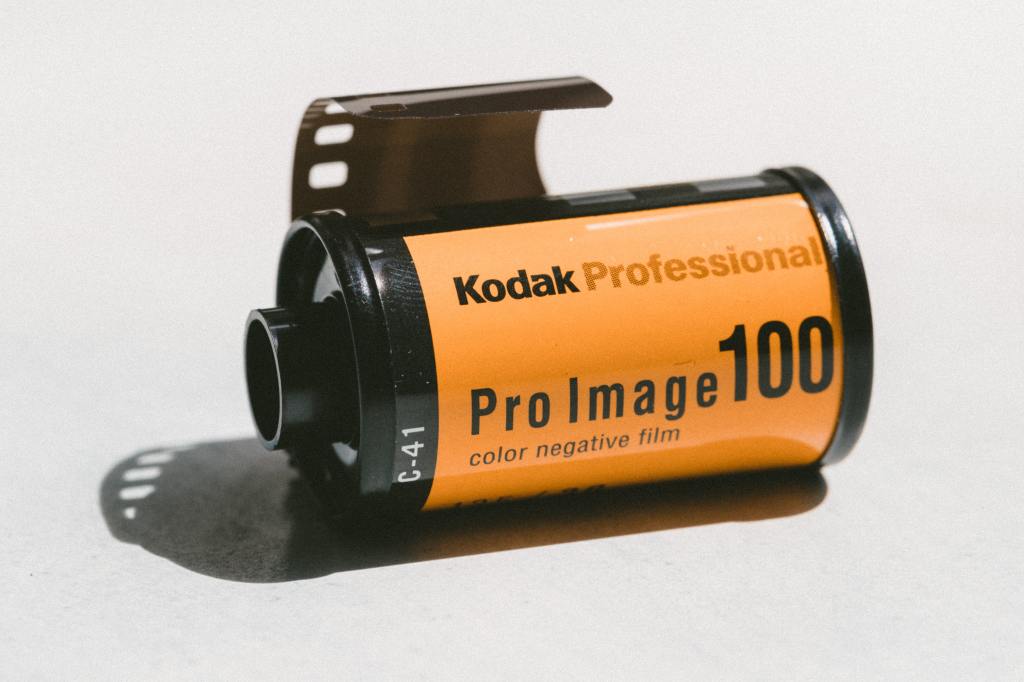
After years of studies and stuff (not for this, but for my degree), I am now able to understand what is happening in a photograph. The fundamental thing is a photosensitive surface. Which can be a photographic film or an image sensor (Digital camera). For now, let’s just consider the photographic film only because electronics are complicated.
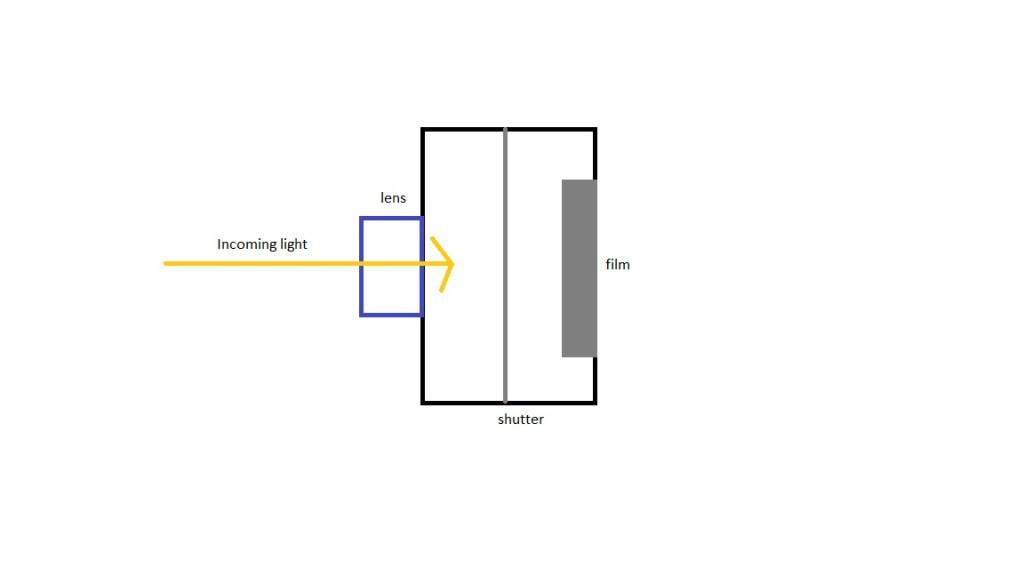
The simple explanation can be given as follows. In the image, we can see a ray of light entering the lens. This light is the reflected light from the object that we plan to photograph. After passing through the lens, it reaches the shutter. The shutter opens when we take the photo since the photographic film is protected by the shutter. It opens for a very short time. Within that duration, the light will reach the photographic film, and the film will capture it.
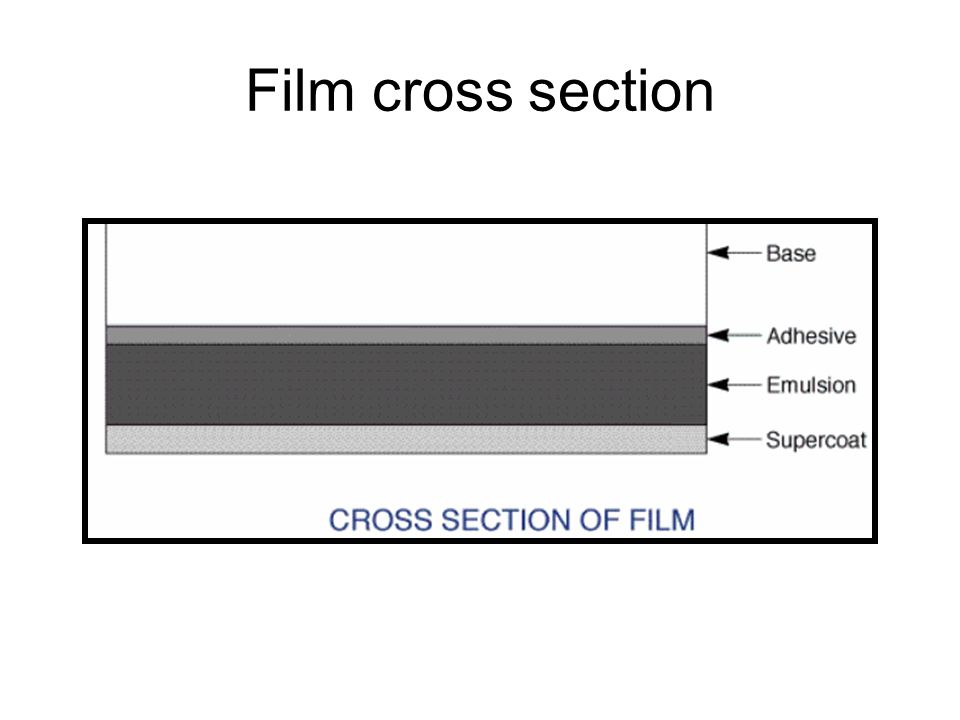
The different layers of a photographic film are shown in the image. The main chemistry of photography is in the emulsion layer of the film. The Silver halide crystals here consists of silver ion and in most case a bromide ion. Bromide ion being negative loses an electron when a photon is incident on it. This electron will be taken by the positive Silver ion and become neutral silver atom. This atom formation creates a latent image, which we can see in a used film. The picture we see in a used film is formed in this way. Further processing of the image in a dark room is accompanied by a red light since it has low energy, and further deionization is not possible. The processing in a dark room is associated with many steps, which need a lot of explanations. Let’s not go too deep.
A lot of things in the photo can be adjusted here. Such as changing the shutter speed, which is basically the speed at which the shutter opens and closes. Adjusting the aperture of the lens, etc. The image we obtain will be different in each case. The case of a digital camera is no different. Instead of a photographic film, there will be an image sensor. An image sensor can be said as an advanced version of the photographic film since its essential function is to capture the light.
Things can be explained in an advanced way, but it will be too complicated, and we will lose interest in learning.
This post is just a basic explanation about the science behind photography. An advanced explanation based on post processing and digital cameras will be given soon. Stay tuned!
 Science Defined