By Anjitha Gireesh
As news of the new Oxford developed COVID-19 vaccine is spreading and sprouting hope within people for a hurried exit from this pandemic, let us look at what it means for a vaccine to be in phase III of its drug trial.
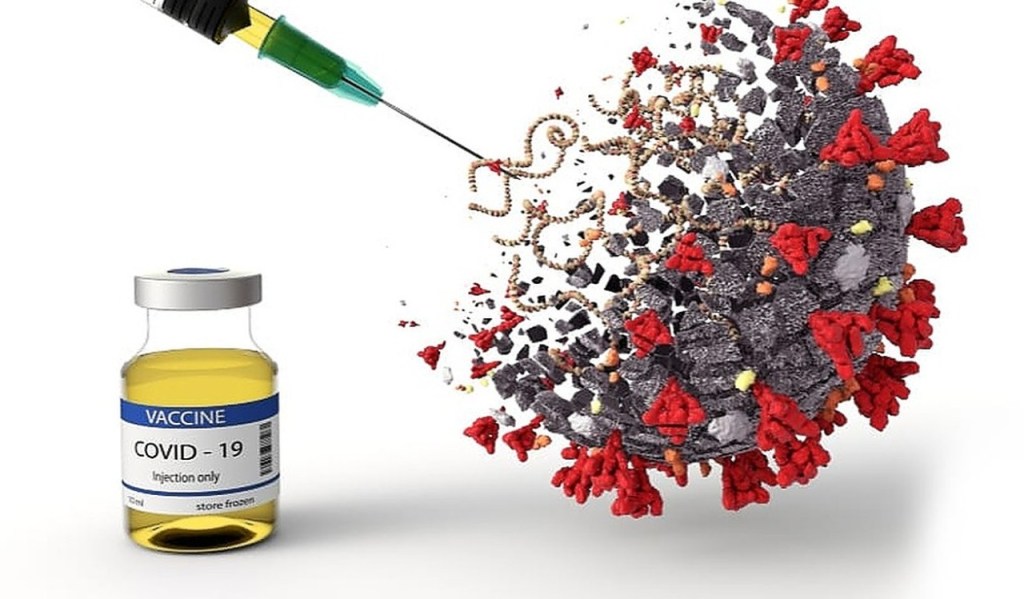
Clinical trials encompass multiple phases; each meant to test certain aspects of the drug. All drugs that are intended to be administered to humans must go through these trials to be approved as legal, usable treatment plans. Vaccines, because of its purpose being one of precaution and protection, have slightly different proceedings for testing.
Vaccine testing, as required by the WHO, must go through three phases of clinical trials (I-III). But before the clinical trials on humans, pre-clinical testing is mandatory. This involves testing it on cultured cells, and even in vivo testing in animal models like the mouse or the old world monkey (rhesus macaques). If the results are promising, then the vaccine can proceed to human testing. Moving to human testing is not a cakewalk, but a very long process, including ethical clearance and formal regulatory approvals. Even testing on animals require these formalities, and rightfully so too. Extraordinary, genetically-modified apes are only fun in movies.
Perhaps due to the dire need of a vaccine in the present condition, these checkpoints were crossed without delay in the case of this vaccine. Phase I of the trial is done on small sample size, on around 20 healthy people, to mainly check the safety and tolerability (the amount of drug that can be administered without toxic effects) of the drug. Phase II would entail a larger number of test subjects and would test whether the vaccine is working, that is whether the people administered are getting infected or not. Now, ideally one would have to expose the subject to the virus to actually check this, but we can’t do that. So, they are monitored for a time period, and their immunogenicity is measured. But to fully comprehend the vaccine’s efficacy and safety, Phase III must be undertaken where the vaccine would be manufactured and administered on a much larger scale. The current Covid-19 Vaccine AZD1222 developed by a team of researchers at Oxford in collaboration with the Bio-Pharmaceutical company, AstraZeneca, is at this stage of its clinical trial.
AZD1222 vaccine uses the weakened form of an adenovirus (a common cold virus) that infects chimpanzees. This virus was genetically modified so that it would now have the Spike glycoprotein of the novel Coronavirus, which is essential for Covid-19 infection. Upon administration of the vaccine, the immune system would create antibodies against the Spike glycoprotein, and this would enable an enhanced secondary immune response when the person is exposed to the Coronavirus, thus preventing the infection. Or, that’s what everyone is hoping would happen.
The phase I trial results of the vaccine published in The Lancet medical journal showed increased neutralizing antibodies, enhanced T-cell response, and no significant side effects. Therefore, going into phase III of the clinical trial, this vaccine does seem like a hopeful solution to this unfortunate pandemic. The Serum Institute of India has acquired the rights to manufacture around a billion doses of the vaccine for trials in India, which they said would begin in August this year. Phase III is approved and would start in the US and other countries shortly.
COVAXIN is one of many Covid-19 vaccines that are being locally developed in India. Around 30 Indian companies are in the race to produce an effective vaccine for the infection. Among these, Bharat Biotech International Limited developed COVAXIN, the first Indian vaccine to enter clinical trials. Phase I/II of its trial have been initiated, and the vaccine was announced to launch on August 15. How they are going to clear the first two stages of the testing is something we will have to wait and watch.
A reliable, conclusive analysis of the effectiveness of the vaccine can only be made after long term observations. So, it would be well over mid-2021 before these vaccines can be deemed the solution. Regardless, during times like these, a vaccine entering Phase III is excellent news. Not a solution, but a promise for one is what we have now. And we will have to make do with that because this virus is not ready to bid us adieu just yet.
 Science Defined