Today is World Tessellation day. So what is a tessellation anyway? Tessellation is just a fancy word for a tiling pattern. Mathematically this means covering a flat surface using one or more geometric shapes with no overlaps and no gaps.

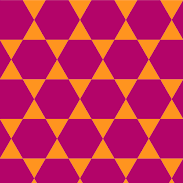
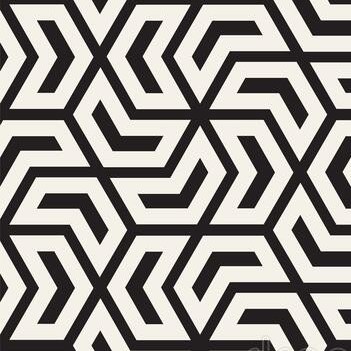

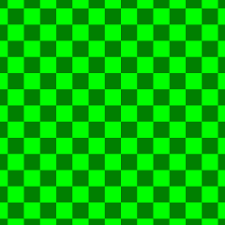

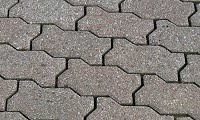
Regular tilings are all around us. We can see them in paving blocks,honeycombs, chainlink fences.

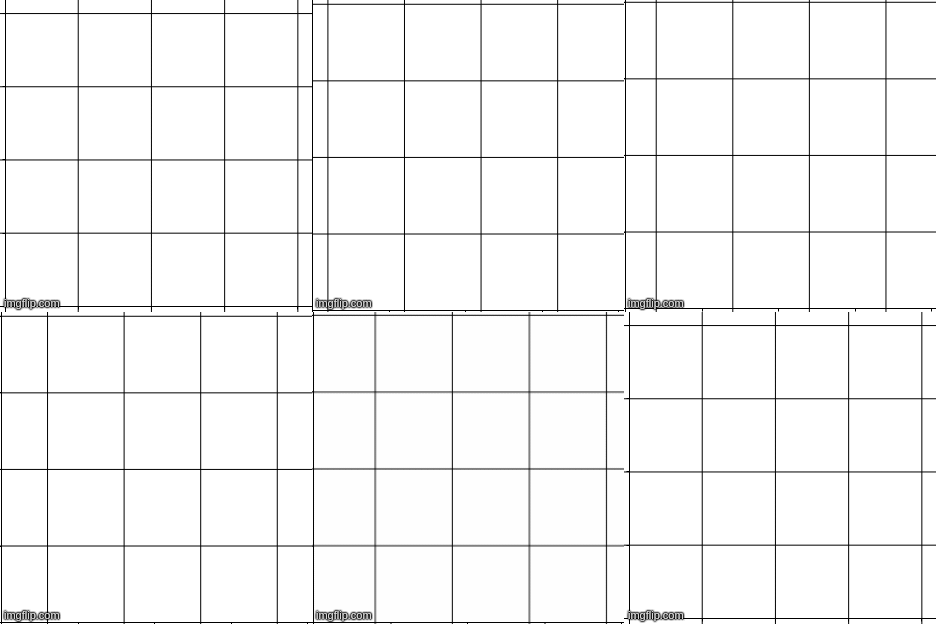
To study tilings mathematicians study their symmetries. A symmetry is any transformation that leaves the pattern unchanged. Let us consider the square tiling for instance. Imagine it lying on the X-Y plane. Now let us see what happens when we move all points in the X-direction by 1 unit.
The horizontal lines i.e. the lines of the type 


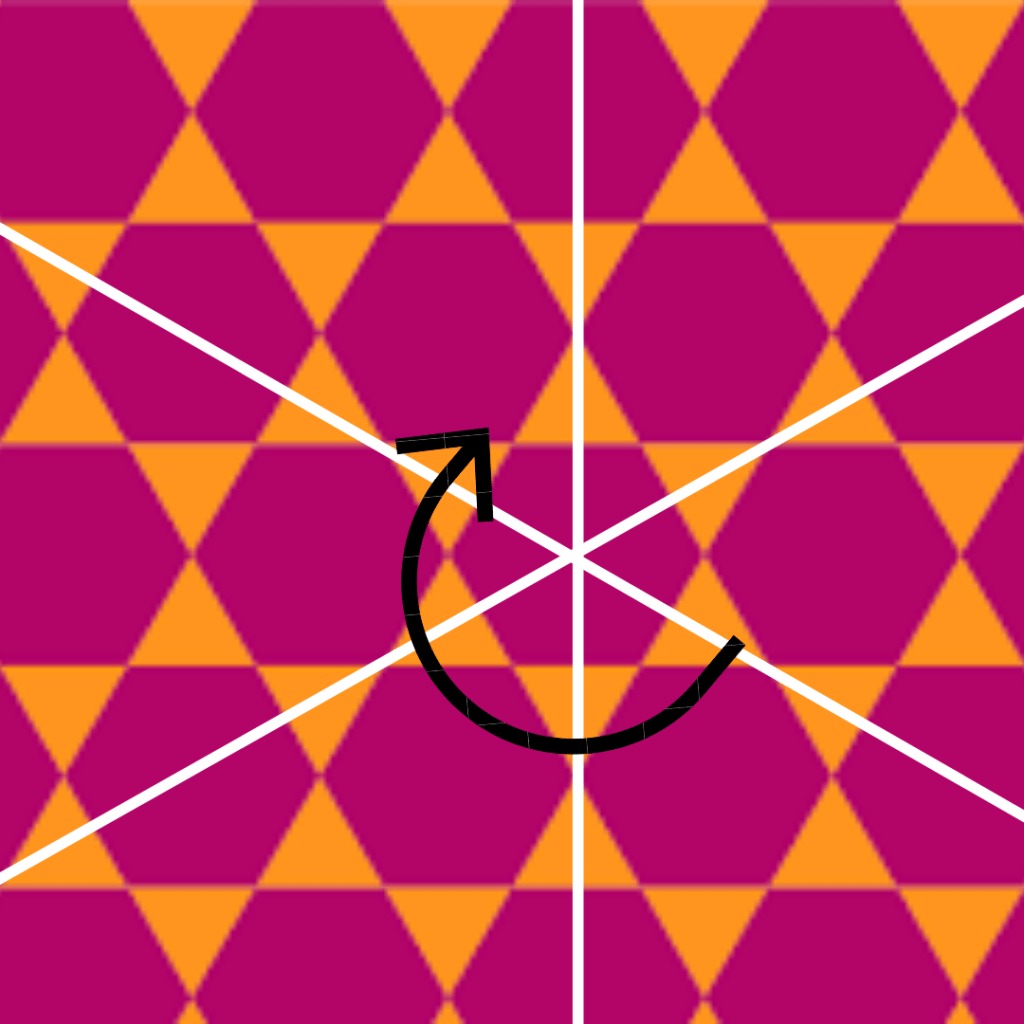
The groups that arise as symmetry groups of tessellations are aptly named wallpaper groups. The surprising fact is that there are only 17 such groups that give rise to such myriad tilings!
Until now we have only seen tilings with a fixed pattern repeated indefinitely by translating it. But there exist tilings that are not of this form.
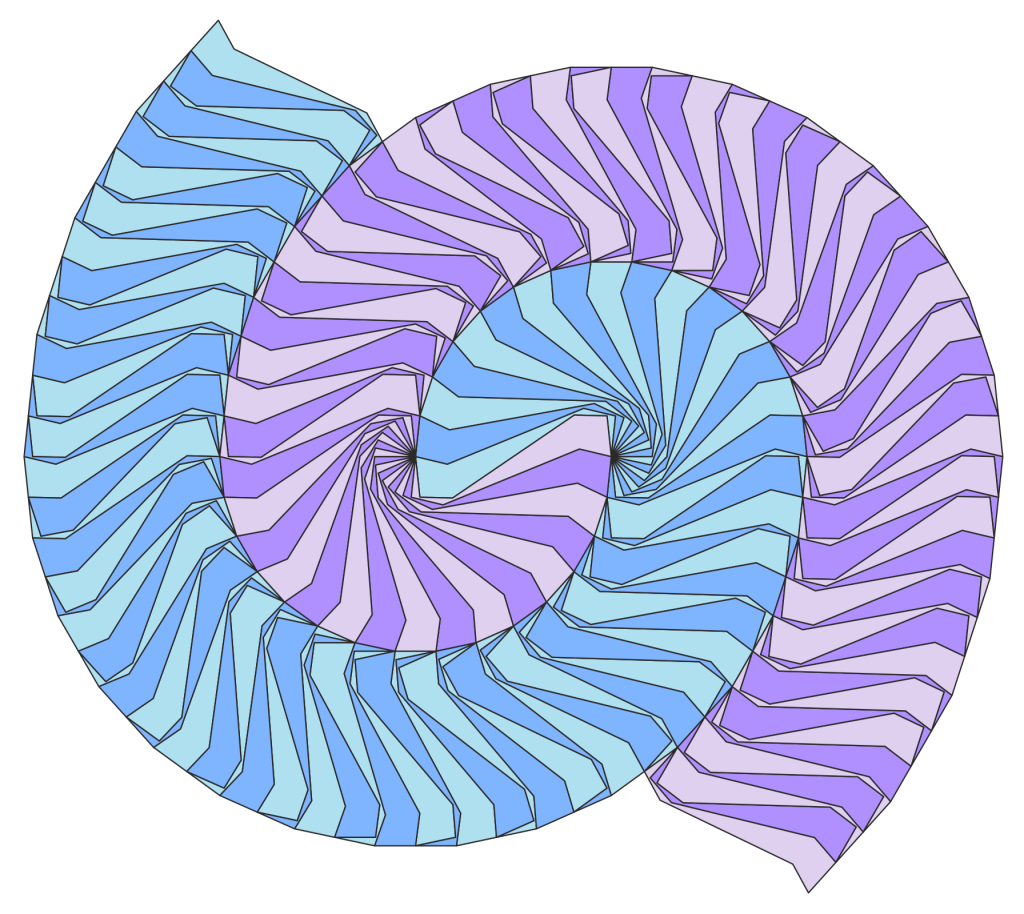
Another interesting example is the chair tiling.
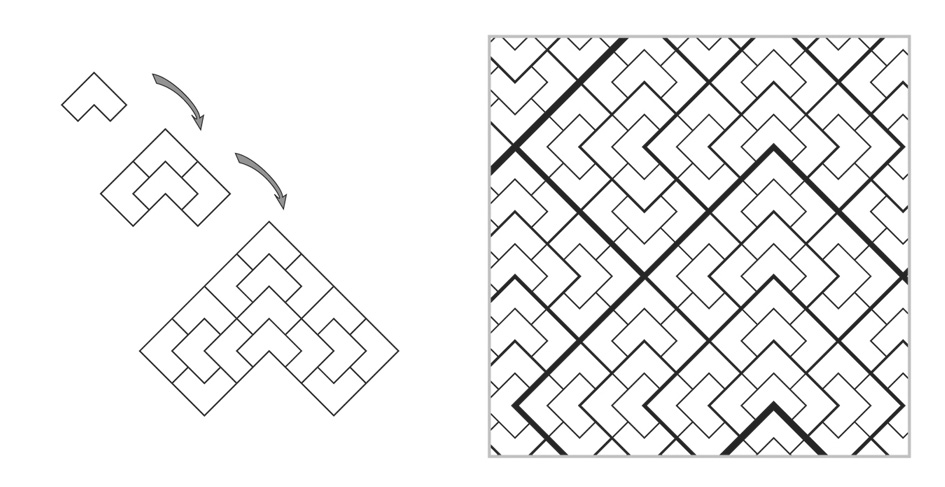
It is formed by an iterative process in which you take four copies of the previous iteration and fit them together to form an L-shaped tile.
Further reading:
For a classification of the wallpaper groups see here .
 Science Defined
Reblogged this on REFLECTIONS and commented:
My post on Science Defined
LikeLike
Didn’t realize it was world tesselation day! These are so fun to look at! Than you for sharing. 🙂
https://mathsux.org/
LikeLike